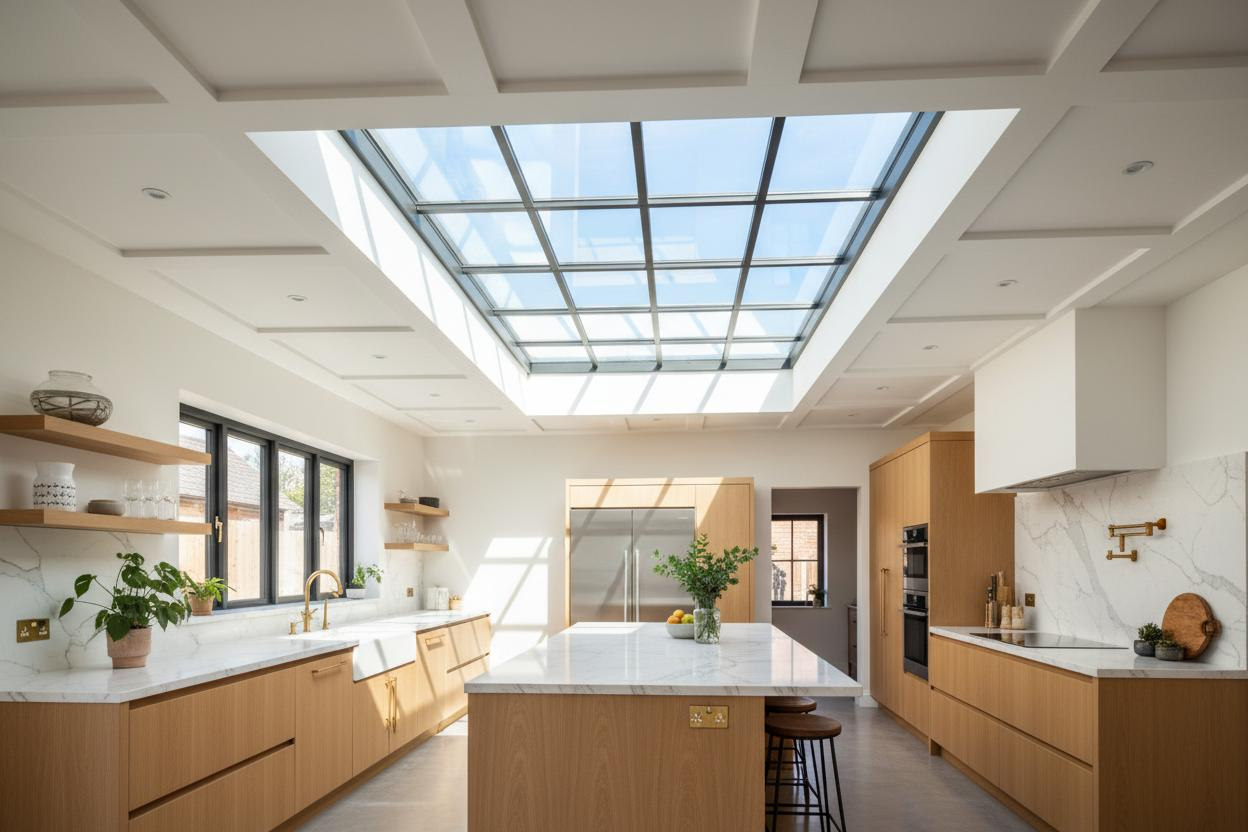
Natural daylight can change how a room feels, how often artificial lighting is needed, and how well a building uses its available space. For pitched roofs, extensions, garages, offices, kitchens, and other areas with limited wall windows, rooflights provide a practical way to introduce daylight from above.
Custom rooflights are particularly useful when standard sizes do not suit the roof structure or when a project requires specific dimensions, glazing, opening methods, or finishes. Choosing the right rooflight involves more than selecting a size. Roof construction, thermal performance, glazing, installation requirements, and budget all deserve consideration.
What Makes a Rooflight Custom?
A custom rooflight is manufactured or configured to suit particular project requirements rather than being limited to a standard off-the-shelf size. The level of customisation varies between manufacturers.
Depending on the supplier, options may include:
- Specific width and length measurements
- Fixed or opening designs
- Different glazing specifications
- Frame finishes
- Double or triple glazing
- Manual or electric opening mechanisms
- Different kerb or flashing arrangements
- Shapes suited to unusual roof structures
This flexibility can be useful during renovations, conversions, and architectural projects where existing dimensions make standard rooflights difficult to install.
Where Custom Rooflights Can Be Used
Rooflights can be installed across a wide range of residential and commercial spaces. Kitchens and extensions are common applications because additional daylight can make these rooms feel brighter without taking up wall space.
They can also be suitable for:
- Home offices
- Loft conversions
- Living rooms
- Commercial workspaces
- Studios
- Garages
- Workshops
- Industrial buildings
- Flat roof extensions
The roof design and structural requirements should be assessed before selecting a product. A rooflight needs to work with the roof covering and surrounding construction, not simply fit the opening.
Choosing the Right Glazing
Glazing has a direct effect on thermal performance, daylight transmission, comfort, and maintenance. Different projects call for different glazing specifications.
Double glazing is commonly selected for residential applications because it provides insulation while allowing substantial daylight into the room. Triple glazing may be considered where improved thermal performance is a priority.
The glazing material also matters. Glass generally provides a clear view and a traditional appearance, while some rooflight systems use polycarbonate or other materials where impact resistance and weight are significant considerations.
Consider the room’s purpose, roof orientation, expected temperature changes, and desired level of daylight before making a decision.
Measuring Before You Buy
Accurate measurements reduce the risk of ordering an unsuitable product. The required dimensions depend on the roof structure and the type of rooflight being installed.
Measurements may need to account for:
- Structural opening dimensions
- Roof pitch
- Roof covering
- Kerb dimensions
- Flashing requirements
- Internal finishing
- Manufacturer tolerances
For replacement projects, measuring the existing rooflight and checking the manufacturer’s fitting requirements can provide useful starting information. New installations may require more detailed measurements from the structural opening.
A professional installer or roofer can help confirm the measurements when the installation involves structural alterations or an unusual roof design.
Finding Rooflight Suppliers
Comparing rooflight suppliers can help buyers identify differences in product specifications, warranties, installation requirements, delivery arrangements, and after-sales support.
Price should not be the only comparison point. A cheaper rooflight may have different glazing, frame construction, insulation performance, or flashing components than a more expensive alternative.
Look for clear technical specifications and installation information. A supplier should be able to explain which roof types the product is designed for and what additional components are required.
Checking the manufacturer’s recommendations is also useful before placing an order, particularly for custom-sized products that may not be returnable after production.
Buying Rooflights Online
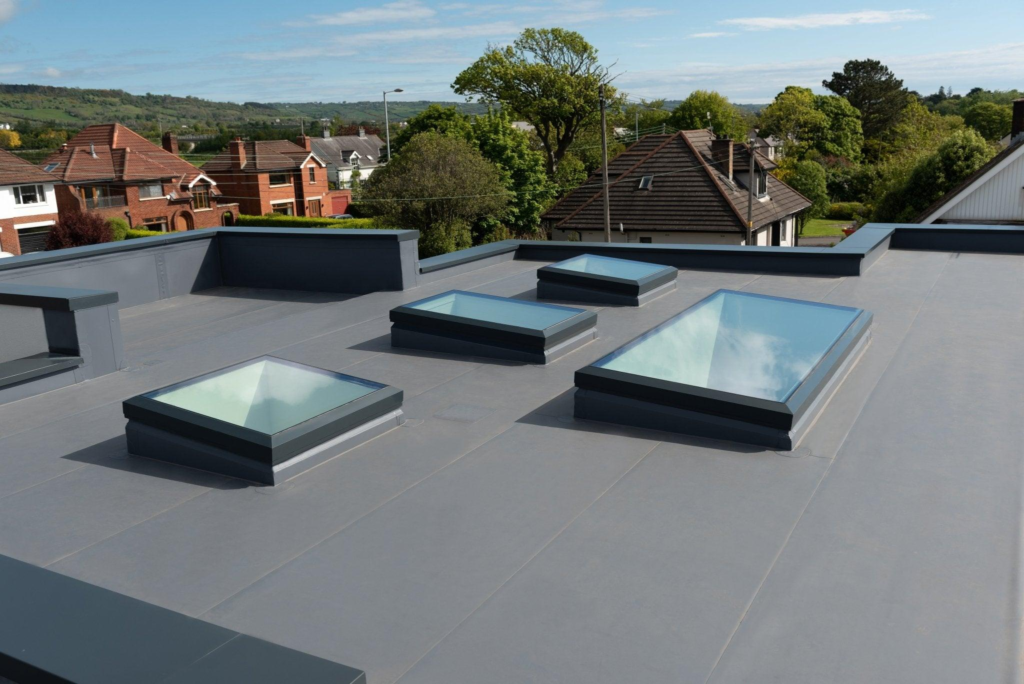
Online purchasing makes it easier to compare dimensions, specifications, finishes, and prices from several suppliers. However, buyers should review the technical information carefully rather than selecting a product based only on photographs or headline prices.
Before you buy rooflights online, check:
- The exact product dimensions
- Compatible roof types
- Recommended roof pitch
- Glazing specification
- Frame material
- Thermal performance
- Opening mechanism, if applicable
- Flashing or installation components
- Delivery times
- Warranty information
Custom products may have longer manufacturing periods than standard rooflights, so delivery schedules should be checked before ordering.
Comparing Rooflight Prices and Deals
Prices can vary according to size, glazing, frame material, opening mechanism, and level of customisation. Installation costs should also be considered when calculating the overall project budget.
Rooflight deals can be useful, but the specification behind the advertised price should always be checked. A discounted product may have a different configuration from another rooflight that appears similar.
Buying several units for a larger project may also affect the overall cost. Some suppliers offer pricing for multiple products, although availability and discounts vary.
Ordering Custom Rooflights
Once the required dimensions and specifications have been confirmed, provide the supplier with accurate project information. This may include measurements, roof type, pitch, glazing preference, frame finish, and opening requirements.
For a made-to-measure product, check the order details carefully before confirming production. Errors in measurements can be more difficult and expensive to correct once a custom product has been manufactured.
It is also worth confirming how the rooflight will be delivered. Larger units may require special handling, and access to the property should be considered before delivery.
See also: Business Class Flights to Jaipur: Booking Guide and Travel Tips
Why Customisation Can Be Useful
Standard rooflights work well for many projects, but they cannot accommodate every roof structure or design requirement. Custom rooflights allow dimensions and specifications to be selected around the building rather than forcing the project to fit a limited range of standard products.
This can be especially helpful for unusual openings, renovation projects, architectural designs, and spaces where the position or size of the rooflight has been carefully planned.
A suitable product should provide the required amount of daylight while also meeting the roof’s structural, weatherproofing, and insulation requirements.
Making a Practical Buying Decision
Start with the roof rather than the appearance of the rooflight. Confirm the opening dimensions, roof pitch, covering type, and installation method first. Then compare glazing, frame materials, opening options, warranties, delivery times, and prices.
For online purchases, use manufacturer specifications and technical drawings to verify compatibility. If the project involves structural changes or a complicated roof design, professional advice can prevent problems during installation.
The right rooflight is one that fits the building, performs according to the project’s needs, and can be installed correctly. Taking time to check these details before ordering makes the purchasing process much more straightforward.
