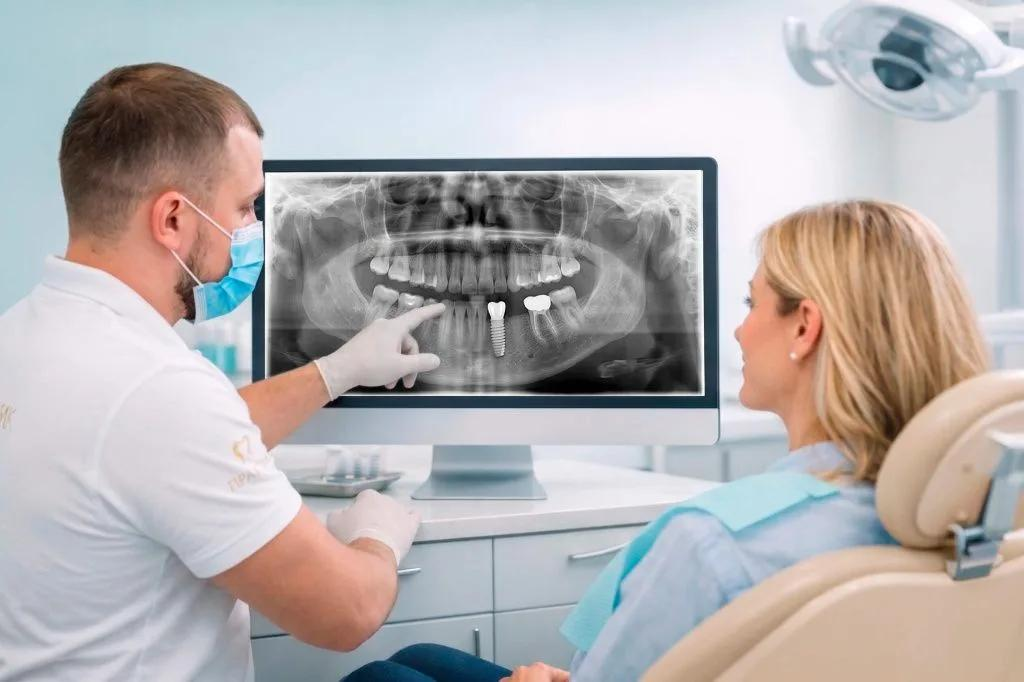
Dental implants have become one of the most effective and long-lasting solutions for replacing missing teeth. Whether you have lost a single tooth, several teeth, or need full-mouth restoration, dental implants can help restore both the appearance and function of your smile. However, the success of the treatment depends significantly on the expertise of the professional performing it and the quality of care provided throughout the process.
Choosing the Best Dental Implant Provider is not simply about finding a clinic that offers implants. It involves understanding the provider’s experience, the technology used for diagnosis and treatment planning, the quality of patient care, and the level of support available before, during, and after the procedure. This guide explains the key factors you should consider before making an informed decision.
Why Experience Matters in Dental Implant Treatment
Experience is one of the most important factors when selecting a dental implant provider. Implant treatment is a highly specialized procedure that requires careful planning and precise execution. Every patient has unique oral health conditions, including differences in bone density, gum health, bite alignment, and the location of missing teeth.
An experienced implant professional understands how to evaluate these factors and create a treatment plan that is suitable for the individual patient. Their experience can also be particularly valuable when dealing with more complex cases, such as significant bone loss, multiple missing teeth, or previous unsuccessful dental treatments.
When researching a provider, consider asking about:
- Their experience in performing dental implant procedures
- The types of implant cases they commonly handle
- Their training and qualifications in implant dentistry
- Their approach to complex dental conditions
- The treatment planning process they follow
Experience does not only mean the number of years a professional has worked. Ongoing education and familiarity with modern techniques are also important. Dental implant technology continues to evolve, and a provider who regularly updates their knowledge may be better equipped to offer current treatment approaches.
The Role of Technology in Dental Implant Success
Modern technology plays a major role in improving the planning and accuracy of dental implant treatment. Advanced diagnostic tools allow dental professionals to examine the jawbone and surrounding oral structures in greater detail before beginning the procedure.
Traditional dental examinations may provide useful information, but advanced imaging can help create a more comprehensive picture of the treatment area. This allows the provider to assess bone availability, identify important anatomical structures, and determine the most appropriate position for the implant.
Some technologies that may be used during implant planning include:
Digital Imaging
Digital imaging can provide detailed views of the teeth, jawbone, and surrounding structures. These images help the provider evaluate whether the patient has sufficient bone support and identify any potential concerns before treatment begins.
Three-Dimensional Treatment Planning
Three-dimensional planning can improve the precision of implant placement. By analyzing the patient’s oral anatomy digitally, the provider can plan the position, angle, and depth of the implant more accurately.
Digital Impressions
Digital impressions can offer a more comfortable and precise alternative to some traditional impression methods. These impressions may be used during the creation of the final restoration, helping achieve a more natural fit.
Guided Implant Procedures
In some cases, treatment planning software and guided techniques may assist the provider during implant placement. These approaches are designed to improve accuracy and support a carefully planned procedure.
Technology alone, however, does not guarantee successful treatment. The Best Dental Implant Provider combines modern technology with professional experience and sound clinical judgment. Advanced tools are most effective when used by a knowledgeable professional who understands how to interpret the information and apply it appropriately.
Personalized Care Is Essential
Dental implant treatment should never be treated as a one-size-fits-all solution. Every patient has different expectations, medical considerations, oral health needs, and financial circumstances. A quality provider takes the time to understand these factors before recommending a treatment plan.
Personalized care begins with a detailed consultation. During this process, the provider should discuss your dental history, examine your oral health, and explain whether implants are an appropriate option for your situation. If additional procedures are required, such as treatment for gum disease or bone preparation, these should also be discussed clearly.
Good patient care includes:
- Listening to the patient’s concerns and treatment goals
- Explaining available treatment options
- Discussing the expected treatment process
- Providing clear information about possible risks and benefits
- Answering questions honestly
- Offering appropriate post-treatment guidance
Clear communication is especially important because dental implant treatment can involve multiple stages. Patients should understand what happens at each stage and how long the overall process may take. A professional provider should avoid making unrealistic promises and instead explain the treatment based on the patient’s individual condition.
Comprehensive Evaluation Before Treatment
A detailed assessment is essential before dental implant treatment begins. Not everyone is immediately ready for implant placement. Factors such as gum disease, insufficient bone support, untreated dental infections, and certain health conditions may need to be addressed first.
A comprehensive evaluation may include an examination of:
- Gum health
- Jawbone condition
- Remaining teeth
- Bite alignment
- Oral hygiene habits
- Medical history
- Lifestyle factors that may affect healing
This careful assessment helps reduce potential complications and allows the provider to create a more suitable treatment plan. The best approach focuses on long-term oral health rather than rushing directly into the procedure.
Understanding the Importance of Aftercare
Dental implant care does not end once the procedure is completed. Long-term success depends on proper healing, regular follow-up visits, and good oral hygiene.
A responsible provider should give patients clear aftercare instructions and explain how to care for the implant and surrounding tissues. Regular dental check-ups can help monitor the condition of the implant and identify potential issues early.
Patients should also understand that dental implants require ongoing maintenance. Although the implant itself is designed to replace the root of a missing tooth, the surrounding gums and bone still need proper care. Brushing, cleaning between teeth, and attending regular dental visits remain important.
When choosing a provider, ask about the follow-up process. A clinic that emphasizes long-term monitoring and patient support demonstrates a commitment to overall treatment outcomes rather than focusing only on the procedure itself.
Questions to Ask Before Choosing a Provider
Before selecting a dental professional, consider preparing a list of questions. This can help you understand their approach and make a more informed decision.
Useful questions include:
- What is your experience with dental implant procedures?
- What diagnostic methods do you use before treatment?
- Will my treatment plan be personalized to my oral health needs?
- What steps are involved in my specific treatment?
- Are there any additional procedures I may need?
- What are the possible risks or complications?
- How will my treatment be monitored after implant placement?
- What aftercare support is provided?
The answers should be clear, realistic, and tailored to your situation.
Making an Informed Decision
Choosing the Best Dental Implant Provider requires more than comparing treatment costs or looking for the fastest procedure. A successful implant journey involves careful diagnosis, professional experience, appropriate technology, personalized planning, and reliable aftercare.
The Best Dental Implant Provider will focus on helping you understand the complete treatment process and supporting your long-term oral health. By considering experience, technology, and patient care together, you can make a more informed decision and move forward with greater confidence.
Ultimately, dental implants are a long-term investment in your smile and oral function. Choosing a qualified and patient-focused provider can help ensure that your treatment is carefully planned, properly managed, and supported with the ongoing care needed for lasting results.
