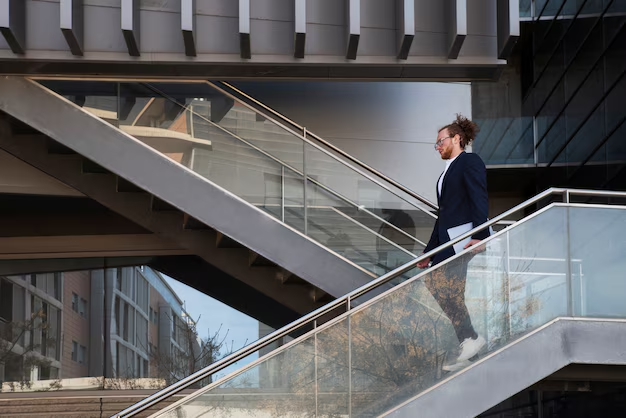
A staircase needs more than sturdy steps. The railing affects how people move through the space, how secure the stairs feel, and how the entire area looks. Glass handrailing offers a practical way to provide support without making a staircase feel enclosed or visually heavy. For homeowners, architects, and interior designers seeking a refined finish, Luxurious Glass provides glass railing options that pair safety with a clean architectural appearance.
Why Glass Works So Well on Staircases
Traditional stair railings often rely on timber, metal, or a combination of solid materials. While these choices can be durable, they may interrupt sightlines and make a narrow staircase appear smaller.
Glass has a different visual effect. Clear panels allow light to pass through the staircase area, creating an open appearance while still providing a protective barrier. This makes glass particularly suitable for contemporary homes, apartments, offices, hotels, and other interiors where visual space matters.
The glass does not need to dominate the staircase. A simple transparent panel with a slim handrail can provide the required support while keeping attention on the architecture itself.
Safety Should Come Before Appearance
A glass staircase railing should look elegant, but appearance cannot replace proper engineering. Staircase railings are designed to provide stability and help prevent accidental falls, so the materials and installation method need to be selected carefully.
Quality architectural glass used for stair applications is generally manufactured to withstand impact and everyday use. Tempered or laminated safety glass is commonly considered for railing systems because it is designed with safety performance in mind.
Several details contribute to a dependable installation:
- Appropriate glass thickness for the application
- Correctly engineered fixing points
- Strong brackets, channels, or posts
- Secure handrail attachment
- Accurate measurements before fabrication
- Professional installation
- Compliance with applicable building regulations
The surrounding staircase structure also matters. A professionally installed railing needs secure connections to the floor, stairs, or supporting framework rather than relying on the glass panel alone.
A Cleaner Look for Contemporary Interiors
Glass handrails fit naturally into minimalist interiors because they do not compete with other design features. A transparent panel can sit beside timber stairs, stone treads, tiled floors, or polished concrete without creating an awkward visual contrast.
Different combinations can produce very different results. For example, glass with a timber handrail introduces warmth, while glass paired with stainless steel creates a sharper architectural feel. Frameless systems can produce an especially understated appearance, while framed systems may suit interiors where stronger visual definition is preferred.
The versatility of glass also makes it useful for renovations. Replacing an outdated railing with a carefully designed glass system can change the appearance of a staircase without requiring a complete redesign of the surrounding space.
Glass Can Make Narrow Staircases Feel Larger
Space is one of the biggest design considerations around staircases. Solid railings can visually divide the staircase from nearby rooms, particularly in compact homes or apartments.
Transparent glass avoids much of that visual separation. Light can travel between the staircase and adjacent areas, and the eye can move beyond the railing rather than stopping at a solid barrier.
This can be particularly effective beside:
- Open-plan living areas
- Entrance halls
- Mezzanines
- Split-level rooms
- Narrow stairwells
- Double-height spaces
The result is not necessarily a larger physical room, but the staircase can feel less restrictive and more connected to its surroundings.
Choosing the Right Glass Railing Style
There is no single glass railing design that suits every staircase. The right choice depends on the architecture, available space, desired appearance, and structural requirements.
Frameless Glass
Frameless systems offer a minimal appearance, with glass panels held by channels, clamps, or other discreet fittings. They are often selected for interiors where uninterrupted views are a priority.
Glass With a Handrail
Adding a timber, stainless steel, or other handrail gives the system a more defined appearance while providing a comfortable surface to hold. This style works well in both residential and commercial settings.
Glass and Metal Combination
Metal posts or supports can create a stronger architectural character. Stainless steel is commonly paired with glass for contemporary staircases, while darker metal finishes can provide contrast in industrial-inspired interiors.
Glass Balustrades
Glass can also be used beyond the staircase itself. Matching balustrades around landings, balconies, and mezzanine edges can create visual consistency throughout a property.
Maintenance Is Simpler Than Many People Expect
Glass may appear delicate, but properly selected architectural glass is designed for demanding everyday environments. Its smooth surface also has fewer places for dust to collect compared with ornate railing systems.
Routine maintenance generally involves cleaning the glass with an appropriate glass cleaner and a soft cloth. Fingerprints and marks are more visible on transparent surfaces, particularly near frequently used sections of a staircase, so occasional cleaning helps preserve its appearance.
Hardware should also be checked periodically. Loose fittings, damaged seals, or other signs of wear should be addressed promptly rather than ignored.
A good cleaning routine is simple:
- Remove loose dust with a soft cloth.
- Apply a suitable glass-cleaning product.
- Wipe the surface without abrasive materials.
- Dry the glass to reduce streaks.
- Inspect fittings and handrail connections during routine cleaning.
Avoid harsh abrasive cleaners or rough tools that could damage the glass surface or hardware.
Natural Light Becomes Part of the Design
One of the strongest architectural advantages of glass is its relationship with light. A solid railing can block daylight from reaching parts of a staircase, while transparent panels allow light to move through the area.
This can make a noticeable difference in homes with large windows, skylights, or open-plan layouts. During the day, sunlight can pass through the staircase area instead of being stopped by a solid barrier.
Artificial lighting can also work effectively with glass. LED strips beneath handrails, step lighting, or recessed ceiling lights can create attractive reflections and illuminate the staircase without making the railing itself visually bulky.
Glass Railing Can Suit Traditional Homes Too
Glass is often associated with contemporary interiors, but it does not have to be limited to minimalist architecture. The supporting materials can change the character of the finished staircase.
For instance, clear glass combined with a wooden handrail can complement a traditional staircase while reducing its visual heaviness. A classic timber staircase can retain its warmth while gaining a lighter, more open railing system.
The surrounding finishes should guide the design rather than forcing the staircase into a completely different style.
Professional Installation Makes a Difference
Glass railing installation requires precision. Measurements need to account for the staircase angle, floor levels, fixing positions, glass dimensions, and surrounding construction.
Small measurement errors can affect how panels align and how hardware fits. Installation also requires careful handling because large glass panels need to be positioned securely without damaging edges, surfaces, or fittings.
Working with experienced glass professionals can help ensure that the final installation is both visually consistent and structurally appropriate. The installer should also understand the relevant local building requirements for stair and guardrail systems.
See also: How Mumbai Businesses Can Turn Their Websites Into Growth Channels
A Long-Term Design Choice
A staircase is used every day, so its materials need to withstand regular contact and movement. Glass can provide a durable railing surface while retaining a relatively understated appearance over time.
Its neutral character is another advantage. Interior trends change, but transparent glass can work alongside different flooring, wall colors, furniture, and decorative styles. A homeowner may update the surrounding interior without necessarily needing to replace the staircase railing.
For property owners planning a renovation, that flexibility can make glass a practical architectural choice rather than simply a decorative feature.
Conclusion
A well-designed glass handrailing system can give a staircase a sense of openness while providing an essential safety feature. Clear panels preserve sightlines, support natural light, and pair easily with materials such as timber, metal, stone, and tile. The final result depends heavily on proper glass selection, reliable hardware, accurate measurements, and professional installation.
For a staircase that needs a cleaner appearance without sacrificing practical support, glass offers plenty of design possibilities. Luxurious Glass can help you explore suitable glass railing options for your space. Contact us today to discuss your staircase requirements and find a design that fits your interior.
