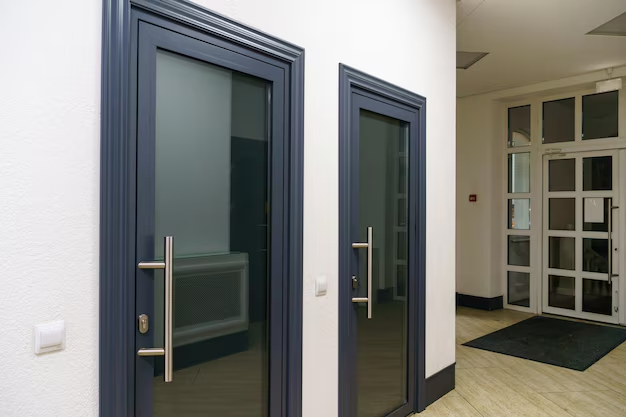
The entrance sets the tone for a property before anyone steps inside. For homeowners who want a refined exterior without sacrificing strength, aluminum entrance doors offer a practical balance of appearance, security, and long-term performance. Native Doors creates entrance door options designed to suit different architectural styles while providing the solid construction expected from a high-quality exterior door.
Why Aluminum Works Well for Entrance Doors
Entrance doors deal with more than everyday opening and closing. They face rain, sunlight, temperature changes, wind, and frequent use. The material needs to maintain its shape and finish while supporting reliable security.
Aluminum is naturally lightweight compared with many traditional door materials, but it can still provide excellent structural strength. Its resistance to corrosion also makes it suitable for homes and commercial properties where moisture and changing weather conditions are concerns.
Another advantage is dimensional stability. Quality aluminum doors are less likely to swell, warp, or contract dramatically because of changes in humidity. This can help maintain proper operation over the years, particularly around the frame and locking areas.
A Clean Look That Suits Different Architecture
Door design has a major influence on curb appeal. A bulky or poorly matched entrance can make an otherwise attractive property feel disconnected. Aluminum provides plenty of design flexibility, allowing homeowners to choose profiles, finishes, glazing arrangements, and hardware that complement the building.
Minimalist homes often benefit from slim aluminum frames and large glass panels. Traditional properties can use more detailed configurations, textured finishes, or decorative glazing. Dark finishes can create a bold entrance, while lighter shades can produce a softer appearance.
The material also works well with contemporary architectural features such as oversized openings, floor-to-ceiling glass, and simple geometric lines. This flexibility makes aluminum suitable for projects ranging from compact urban homes to larger residential properties.
Security Starts With the Door Structure
A front door should look attractive, but its primary job is to control access to the property. The strength of the frame, locking system, hinges, glass, and installation all contribute to overall security.
Aluminum frames can provide a rigid foundation for modern locking hardware. Depending on the door design, homeowners may choose multi-point locking systems, reinforced cylinders, security glazing, and other protective features.
The surrounding frame deserves just as much attention as the door panel itself. A strong door installed into a weak frame will not provide the same level of protection. Professional installation helps ensure that the door sits correctly, locks engage properly, and gaps around the frame are minimized.
Glass selection also matters for entrances that incorporate glazing. Laminated or other security-focused glass options can offer greater resistance than ordinary glass while still allowing natural light into the hallway or foyer.
Durability Without Excessive Maintenance
Exterior doors need to cope with conditions that interior doors never encounter. Moisture, ultraviolet exposure, dirt, and temperature fluctuations can gradually affect materials and finishes.
Aluminum has a useful advantage in this setting because it does not rust in the same way as steel. Properly finished aluminum can retain its appearance for years with routine care.
Maintenance is generally straightforward. Periodic cleaning removes dust and environmental residue from the frame and surface. Hardware should also be checked occasionally to ensure handles, hinges, locks, and other moving components remain properly adjusted.
The finish itself should be considered during selection. High-quality powder coating or other suitable finishing systems can provide protection while giving homeowners a broad range of color choices.
Energy Efficiency Depends on More Than the Material
An entrance door can influence indoor comfort, particularly when it forms a large opening or connects directly to an exterior wall. Aluminum is a good conductor of heat, so modern aluminum entrance doors often use thermal break technology to reduce heat transfer through the frame.
Thermally broken frames separate the interior and exterior portions of the aluminum profile with an insulating material. This helps limit the movement of heat and cold through the frame.
Glass specifications, weather seals, installation quality, and the surrounding wall construction also affect performance. A well-designed door with suitable glazing and effective seals can help reduce drafts and maintain more consistent indoor temperatures.
For properties where energy efficiency is a priority, homeowners should consider the complete door system rather than judging performance based on the frame material alone.
Choosing the Right Door Configuration
The ideal entrance door depends on the available space, architectural style, security requirements, and how the entrance will be used.
A single door works well for many standard entrances. Wider openings may accommodate double doors, while larger contemporary properties may benefit from pivot-style designs. Doors with sidelights can introduce additional daylight and make an entryway feel more open.
Glazing should also be selected according to privacy needs. Clear glass maximizes natural light, while frosted, textured, tinted, or decorative options can provide greater privacy.
Hardware is another design detail that can change the character of the entrance. Handles, pull bars, hinges, and locking mechanisms should complement the door finish while providing comfortable everyday operation.
Installation Can Affect Long-Term Performance
Even a high-quality door can perform poorly if it is installed incorrectly. An entrance door needs accurate measurements and proper alignment to ensure smooth opening, secure locking, effective sealing, and consistent operation.
The condition of the opening should be assessed before installation. Uneven surfaces, damaged framing, or incorrect measurements can create problems later, including drafts, difficulty locking the door, and premature hardware wear.
Professional installation also helps ensure that the frame is secured appropriately and that weather seals are positioned correctly. For larger or heavier entrance systems, correct installation becomes even more important because the door places greater demands on its hinges and surrounding structure.
See also: How Facility Maintenance Supports Long-Term Business Efficiency
A Practical Investment for Long-Term Use
A front entrance is one of the most frequently noticed parts of a property. Choosing a door solely because it looks attractive can lead to compromises in security or maintenance. Choosing only for strength may produce an entrance that does not suit the architecture.
Aluminum offers a useful middle ground. It supports strong framing, varied design possibilities, corrosion resistance, and relatively simple maintenance. With the right glazing, hardware, thermal design, and installation, it can serve as a dependable entrance for many years.
Native Doors focuses on entrance solutions that bring together visual appeal and practical performance, giving property owners more flexibility when planning an exterior entrance.
The right choice ultimately depends on the building, climate, opening size, security requirements, and personal design preferences. Reviewing these factors before ordering helps ensure the finished entrance looks appropriate and performs properly from the first day. For guidance on selecting an aluminum entrance door that fits your property and requirements, contact us today to discuss your project and available options.
