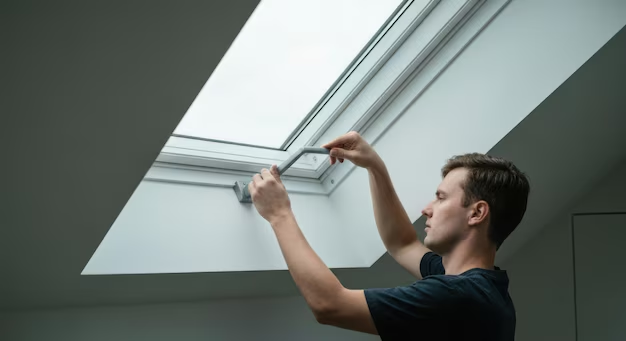
Natural light can change the character of a room, particularly in spaces where windows are limited or walls are already occupied. Online fixed rooflights make it possible to bring daylight in from above without adding an opening mechanism or complicated controls. For homeowners, architects, and builders comparing options, Skylights Roof Lanterns can provide a useful starting point for understanding the different sizes, shapes, and specifications available. Choosing the right dimensions, however, requires more than measuring the roof opening.
Why Rooflight Size Matters
The size of a fixed rooflight affects much more than how much daylight enters a room. A larger unit can create a brighter interior and make a compact space feel more open, while a smaller rooflight may provide controlled illumination without dominating the ceiling.
The right size also needs to suit the roof structure. Rafters, joists, insulation, roof coverings, and other structural elements can restrict the dimensions available. Installing a rooflight that is too large for the intended position may require additional structural work.
Room proportions matter as well. A small bathroom does not necessarily need a large rooflight, while a spacious kitchen or open-plan extension may benefit from a wider glazed area.
Start With the Room Below
Before browsing different rooflight sizes, consider the room where the unit will be installed. The purpose of the space can help determine how much natural light is appropriate.
For example, a rooflight over a kitchen work area can improve visibility during the day. In a hallway or landing, a smaller unit may be enough to eliminate dark areas. Larger living spaces often benefit from wider rooflights because daylight has more floor area to cover.
Consider these factors:
- Room dimensions: Larger rooms generally require more glazing to distribute daylight effectively.
- Ceiling height: High ceilings can affect how light spreads through the room.
- Existing windows: A room that already receives plenty of side light may need only a modest rooflight.
- Room function: Workspaces, kitchens, bathrooms, and living areas have different lighting requirements.
- Roof position: The location and orientation of the roof can influence the amount of sunlight received.
A simple sketch of the room can help you visualise where the rooflight will sit and how its size will relate to furniture, lighting, and other features.
Measure the Available Roof Space
Accurate measurements should come before ordering any fixed rooflight. Measure the area where the unit will be installed rather than estimating from the room dimensions.
Check the distance between structural members and identify any pipes, wiring, vents, chimneys, or other obstacles nearby. A rooflight needs sufficient clearance for installation and finishing around the opening.
It is also useful to check whether the product dimensions refer to the overall frame size, structural opening, or glazing area. These measurements are not necessarily identical.
A few millimetres can make a significant difference during installation, so measurements should be taken carefully and checked before placing an order.
Match the Rooflight to the Roof Structure
Roof construction is one of the biggest limitations when selecting a rooflight size. Different roofs use different structural layouts, and the available space between rafters or joists can vary considerably.
A standard-size rooflight may fit easily into one roof but require alterations in another. If the desired rooflight is wider than the available structural opening, additional framing may be necessary.
The roof covering should also be considered. Slate, tile, metal, and other roofing materials can have different installation requirements. The roof pitch may influence which products are suitable too.
For projects involving structural alterations, it is sensible to have the proposed opening checked by an appropriately qualified professional before work begins.
Think About Glazing Area, Not Just Overall Dimensions
Two rooflights with similar external dimensions can provide different amounts of visible glazing. Frames, upstands, and other components occupy part of the overall area, so the actual glass size deserves attention.
A rooflight with a generous glazed area can allow more daylight into the room. However, maximum glazing is not automatically the right choice for every project.
Too much direct sunlight can create glare and increase heat inside the room during warmer months. The position of the rooflight, glazing specification, room orientation, and shading options all contribute to the final result.
A balanced design should provide useful daylight without making the room uncomfortable at different times of the year.
Consider the Rooflight Shape
Size and shape work together. A long, narrow rooflight can spread daylight along a greater length of a room, while a more square unit can distribute light across a central area.
The shape can also affect the appearance of the ceiling. Long rooflights can complement kitchen islands, dining tables, corridors, and elongated extensions. Square or rectangular designs may suit bedrooms, bathrooms, and smaller rooms.
The roof structure should remain the first practical consideration. A visually attractive shape is of little benefit if it creates unnecessary structural complications.
Fixed Rooflights and Ventilation
Fixed rooflights are designed primarily to provide natural light rather than ventilation. They do not open to allow fresh air into the room.
This makes them particularly suitable for spaces where ventilation is already provided through windows, extractor fans, mechanical ventilation, or another system. Bathrooms and kitchens, for example, may require separate ventilation provisions depending on the layout and applicable building requirements.
Choosing a fixed unit simply because it is the right size should not mean overlooking the room’s ventilation needs. Light and airflow are separate considerations.
Check Thermal and Solar Performance
A larger rooflight can change the thermal behaviour of a room. More glazing means more opportunity for sunlight to enter, which can be beneficial in colder conditions but may contribute to overheating during warmer periods.
Look at the glazing specification rather than focusing only on dimensions. Factors such as thermal performance, solar control, and glass construction can influence comfort and energy efficiency.
The surrounding roof insulation and installation quality also matter. Even a high-performing rooflight can underperform if the surrounding area has poor insulation or gaps.
See also: How Mumbai Businesses Can Turn Their Websites Into Growth Channels
Think About Interior Design
The rooflight should work with the room rather than appear as an isolated feature. Its position can affect how furniture is arranged and how daylight reaches surfaces.
A rooflight positioned above a dining table can create a strong focal point. One above a staircase can brighten a previously dim area. In a kitchen, positioning can be planned around worktops and circulation routes.
Consider the view from below as well. Frame colour, proportions, and ceiling finishes can influence how prominent the rooflight appears.
Review Installation Requirements Before Ordering
Product dimensions are only one part of the selection process. Before ordering, check the installation requirements, roof pitch limitations, flashing details, compatible roof coverings, and required structural opening.
It is also useful to confirm whether the selected product is suitable for the specific type of roof and whether specialist installation is recommended.
For replacement projects, the existing opening may provide a useful reference, but it should still be measured rather than assumed to match the new product.
Make the Size Decision Carefully
Choosing a fixed rooflight online can be convenient, but convenience should not replace proper planning. Start with the room, examine the available roof structure, take accurate measurements, and compare the actual glazing area rather than relying solely on external dimensions.
Think about sunlight, heat, ventilation, insulation, roof pitch, and interior layout before making the final selection. A rooflight that fits neatly into the building and provides the right amount of daylight will generally produce a better result than simply choosing the largest available option.
Conclusion
The right fixed rooflight should suit both the building and the people using the room. Careful measurements, structural checks, suitable glazing, and thoughtful positioning can help create a brighter interior without creating avoidable installation problems. If you need guidance with selecting the appropriate rooflight dimensions or specifications, contact us today to discuss your requirements and find an option suited to your project.
A well-planned rooflight is a relatively simple addition, but the right size can make a noticeable difference to the comfort, appearance, and natural light within a space.
