Biometric technology is on the brink of transformative advancements. Enhanced facial recognition and voice authentication systems are expected to improve accuracy and user convenience. However, these developments also raise complex ethical dilemmas regarding privacy and surveillance. As societies grapple with the implications, the challenge will be to establish policies that protect individual rights while ensuring security. The unfolding dynamics promise to reshape the landscape of personal freedom and responsibility. What implications will these changes truly hold?
The Rise of Biometric Technology: Trends to Watch
In recent years, the increasing integration of biometric technology into various sectors has become a significant trend, reflecting a broader shift towards enhanced security and user convenience.
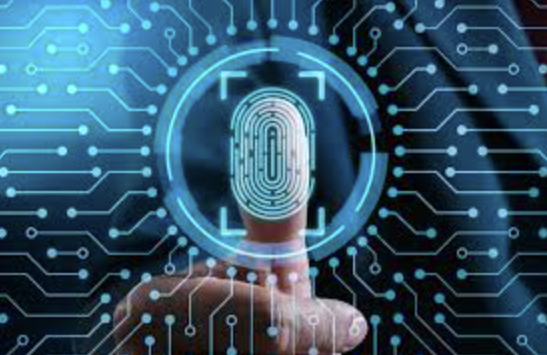
Notably, facial recognition and fingerprint scanning have emerged as key components, offering accurate identification methods.
This trend raises essential discussions about privacy and individual freedom, as stakeholders navigate the balance between security measures and personal autonomy in a technology-driven world.
Key Applications of Biometrics in Everyday Life
Numerous applications of biometric technology have permeated everyday life, revolutionizing how individuals authenticate their identities and interact with digital systems.
Facial recognition, fingerprint scanning, and voice authentication enhance access control across various platforms.
Iris detection and behavioral biometrics improve security in wearable devices.
Furthermore, mobile payments increasingly rely on these methods, offering users convenience while ensuring secure transactions in a digital landscape.
See also: The Future of AI-Powered Personal Assistants
Balancing Security and Privacy: Ethical Considerations
How can society effectively balance the imperative of security with the fundamental right to privacy in the realm of biometric technology?
This dilemma raises significant surveillance ethics concerns, as data ownership becomes increasingly complex.
Stakeholders must navigate the fine line between protective measures and individual autonomy, ensuring that biometric systems respect personal privacy while still addressing legitimate security needs effectively.
What the Future Holds: Innovations on the Horizon
As advancements in technology continue to accelerate, the future of biometric systems promises a myriad of innovations that could reshape both security protocols and user experiences.
Emerging techniques in facial recognition aim to enhance accuracy while minimizing biases, while sophisticated voice authentication systems are set to improve user convenience and security.
These developments may redefine personal freedom, allowing seamless access without compromising privacy.
Conclusion
As biometric technology continues to evolve, its integration into daily life is poised to increase significantly, with projections indicating that the global biometric market could surpass $60 billion by 2025. This rapid growth underscores the urgent need for robust ethical frameworks to govern its use. Balancing security enhancements with individual privacy rights will be crucial in shaping public perception and acceptance of these technologies, ensuring that advancements do not come at the cost of personal freedoms.