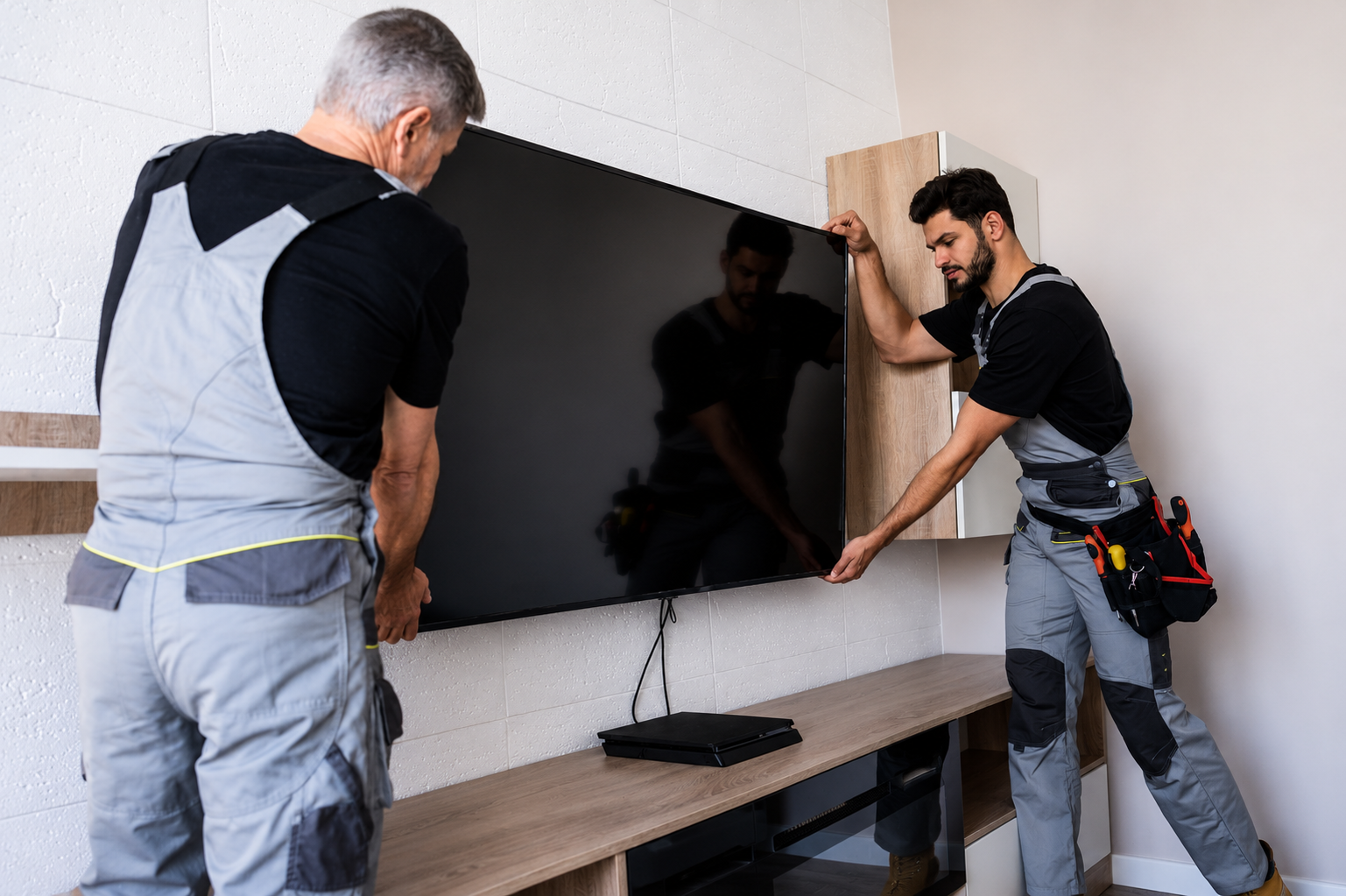
A mounted television can transform the appearance of any room while creating a more comfortable viewing experience. Whether you’re upgrading your living room, bedroom, office, or entertainment area, proper installation is essential for both safety and aesthetics. While many homeowners consider mounting a TV themselves, the process involves much more than attaching a bracket to the wall.
Choosing a professional TV wall mount service ensures your television is installed securely, positioned correctly, and protected from potential damage. From selecting the right mounting location to managing cables neatly, professional installers help create a clean and functional entertainment setup.
This guide explains why professional TV mounting matters, what the installation process includes, and how to prepare your space before installation.
Why Proper TV Mounting Matters
Modern televisions are thinner and larger than ever before. Although they look lightweight, many large-screen TVs require strong wall support and precise installation. Proper mounting offers several benefits:
- Improves viewing comfort
- Saves valuable floor space
- Reduces the risk of accidental tipping
- Creates a cleaner interior design
- Keeps cables organized
- Protects expensive electronics
Incorrect installation may result in loose brackets, damaged walls, or even broken televisions, making professional installation a worthwhile investment.
See also: How to Compare Condo Prices Across Singapore Districts
Benefits of Hiring Professional Installers
Secure Installation
Every wall material requires different mounting techniques. Drywall, brick, concrete, wood studs, and metal framing all require specific hardware.
Professionals know how to:
- Locate wall studs accurately
- Select appropriate anchors
- Install heavy-duty mounting brackets
- Verify weight capacity
- Ensure long-term stability
This greatly reduces the chances of future mounting problems.
Perfect Viewing Height
Many homeowners install televisions either too high or too low. Professionals determine the ideal height by considering:
- Seating position
- Room size
- Screen dimensions
- Viewing distance
- Natural eye level
Correct placement reduces neck strain while improving overall viewing comfort.
Clean Cable Management
Visible cables can make even an expensive entertainment system appear cluttered. Professional installers often include cable organization solutions that hide:
- Power cords
- HDMI cables
- Audio cables
- Streaming device wiring
- Gaming console connections
A cleaner installation improves both appearance and safety.
Understanding Different Mounting Options
Not every TV mount serves the same purpose. The right choice depends on your room layout and viewing preferences.
Fixed Mount
A fixed mount keeps the television flat against the wall. Best for:
- Living rooms
- Bedrooms
- Offices
- Dedicated entertainment spaces
Advantages include a sleek appearance and maximum stability.
Tilting Mount
Tilting mounts allow the screen to angle slightly downward. Ideal for:
- Fireplaces
- Higher wall installations
- Reducing glare from windows
They offer better viewing flexibility than fixed mounts.
Full Motion Mount
A full-motion mount provides the greatest flexibility. It allows users to:
- Extend the TV outward
- Rotate left or right
- Tilt vertically
- Adjust viewing angles
These mounts work well in open floor plans where multiple seating areas exist.
What Professional Installation Includes
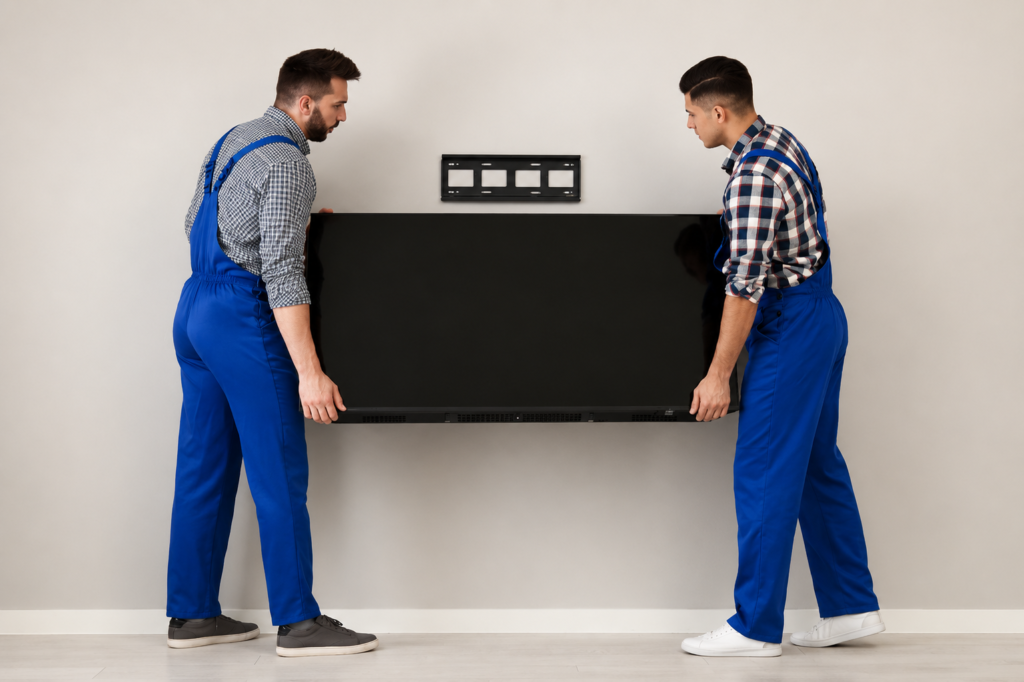
Reliable TV installation services typically cover much more than simply attaching a bracket.
A complete installation often includes:
- Wall inspection
- Stud detection
- Mount assembly
- Secure bracket installation
- Television mounting
- Level adjustments
- Cable organization
- Safety inspection
- Final testing
Every step contributes to a safer and cleaner finished installation.
Choosing the Best Wall Location
Selecting the right wall affects both appearance and usability.
Factors professionals consider include:
Natural Lighting
Avoid placing televisions directly opposite large windows to reduce glare.
Seating Arrangement
The screen should face the primary seating area without forcing viewers to turn excessively.
Electrical Access
Nearby power outlets reduce visible cables and simplify installation.
Wall Strength
Some walls provide better structural support than others, especially for larger televisions.
Common Installation Mistakes
DIY installation can seem simple until problems arise.
Common mistakes include:
- Mounting into drywall without stud support
- Using incorrect screws
- Installing an uneven bracket
- Choosing the wrong mount size
- Poor cable routing
- Incorrect viewing height
- Ignoring wall weight limits
Professional installers help eliminate these risks.
Preparing Your Home Before Installation
Preparation makes installation quicker and more efficient. Before installers arrive:
- Remove furniture blocking the wall
- Disconnect existing electronics
- Decide where connected devices will sit
- Identify nearby electrical outlets
- Clean the installation area
These small steps help ensure a smooth installation process.
Factors That Affect Installation Pricing
Many homeowners wonder about TV wall mount installation cost before scheduling service. Several factors influence pricing, including:
- Television size
- Wall material
- Mount type
- Cable concealment requirements
- Additional electrical work
- Existing wall condition
- Number of televisions
Every installation is unique, so costs may vary depending on project complexity.
Why Safety Should Always Come First
Large televisions can weigh well over 100 pounds. Improper installation increases the risk of:
- Falling televisions
- Wall damage
- Injuries
- Broken electronics
- Costly repairs
Professional installation significantly improves safety for children, pets, and everyone in the home.
Residential and Commercial Applications
Professional TV wall mounting installation is useful in many environments beyond residential living rooms.
Common installation locations include:
- Bedrooms
- Home theaters
- Conference rooms
- Restaurants
- Fitness centers
- Medical offices
- Hotels
- Retail stores
- Waiting areas
- Educational facilities
Each location has unique mounting requirements that professionals can address.
Tips for Maintaining Your Mounted Television
Once your television is securely mounted, regular maintenance helps preserve its condition. Helpful maintenance tips include:
- Dust the screen regularly
- Inspect cables occasionally
- Avoid placing heavy objects on connected equipment
- Keep ventilation openings clear
- Check bracket tightness during routine maintenance
- Clean using manufacturer-approved materials
Proper care helps extend the life of both the television and mounting hardware.
When Should You Replace an Existing Mount?
Not every wall mount lasts forever. Consider replacing a mount if:
- It shows visible rust
- The bracket becomes loose
- Your new television exceeds the weight rating
- The mount no longer adjusts properly
- The locking mechanism is damaged
Replacing outdated hardware helps maintain long-term safety.
Conclusion
Investing in a professional TV wall mount service provides more than just a mounted television. It ensures proper positioning, secure installation, improved safety, organized cables, and a polished appearance that enhances any room.
Whether you’re installing a new entertainment system or upgrading an existing setup, working with experienced professionals helps protect your investment while delivering the best viewing experience. A properly mounted television not only looks better but also performs better for years to come.
