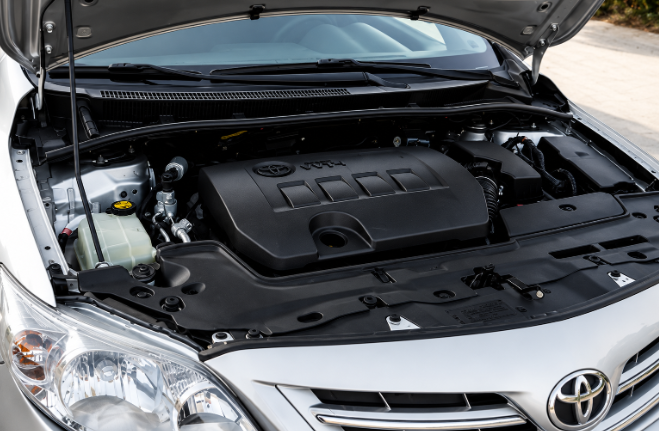
Keeping your vehicle comfortable throughout Australia’s changing weather depends on a reliable air conditioning system. At the centre of this system is the Toyota AC compressor, which compresses and circulates refrigerant to deliver cool air inside the cabin. When this essential component begins to wear out, cooling performance can decline, fuel efficiency may be affected, and driving comfort can suffer.
Whether you drive a Corolla, Camry, Hilux, Prado, RAV4, Kluger or LandCruiser, understanding how the air conditioning system works can help you recognise early warning signs, maintain peak performance, and choose the right replacement when required.
Understanding How an Air Conditioning Compressor Works
An air conditioning compressor acts as the pump of the cooling system. It compresses refrigerant gas into a high-pressure state before sending it through the condenser. As the refrigerant moves through the system, heat is released, allowing cool air to circulate throughout the vehicle’s cabin.
Without a properly functioning compressor, the entire air conditioning system struggles to maintain comfortable temperatures.
The compressor performs several important tasks, including:
- Compressing refrigerant
- Maintaining refrigerant circulation
- Supporting efficient cooling
- Regulating system pressure
- Helping remove moisture from the cabin air
See also: Why a Professional TV Wall Mount Service Is Worth It for Every Home
Why a Healthy Compressor Matters
A well-maintained compressor provides much more than cool air. It supports the overall efficiency of the vehicle’s climate control system while reducing unnecessary strain on other components.
Some key benefits include:
- Faster cabin cooling
- Improved passenger comfort
- Better air conditioning performance
- Reduced wear on connected components
- Greater reliability during hot Australian summers
Regular maintenance helps ensure these benefits continue throughout the life of the vehicle.
Common Signs Your Compressor May Be Failing
Recognising the symptoms of compressor problems early can prevent larger and more expensive repairs.
Weak or Warm Airflow
One of the first signs is air that no longer feels as cold as it once did. Even with the temperature set to maximum cooling, the cabin may remain warm.
Unusual Noises
Grinding, rattling, squealing or clicking noises when the air conditioner operates often indicate internal wear or bearing damage.
Compressor Clutch Issues
The clutch should engage smoothly when the air conditioning is switched on. Frequent cycling or failure to engage can signal mechanical or electrical faults.
Refrigerant Leaks
Damaged seals or worn compressor components may allow refrigerant to escape, reducing cooling efficiency and placing additional stress on the system.
Increased Engine Load
A failing compressor may force the engine to work harder, leading to reduced performance and slightly higher fuel consumption.
Common Causes of Compressor Failure
Air conditioning compressors can fail for several different reasons.
Normal Wear and Tear
Like any mechanical component, compressors experience gradual wear after years of operation.
Low Refrigerant Levels
Insufficient refrigerant reduces lubrication inside the compressor, increasing friction and accelerating internal damage.
System Contamination
Moisture, dirt and metal particles can circulate through the air conditioning system, causing premature wear.
Bearing Failure
Worn bearings create excessive friction, resulting in noise and reduced operating efficiency.
Electrical Problems
Faulty wiring, relays, pressure switches or sensors may prevent the compressor from operating correctly.
The Importance of Preventative Maintenance
Routine servicing helps maximise compressor life while maintaining reliable cooling performance.
Recommended maintenance includes:
- Checking refrigerant pressure
- Inspecting hoses and fittings
- Cleaning the condenser
- Testing compressor clutch operation
- Replacing the cabin air filter
- Inspecting the drive belt
- Checking for refrigerant leaks
Preventative servicing often identifies small problems before they become costly repairs.
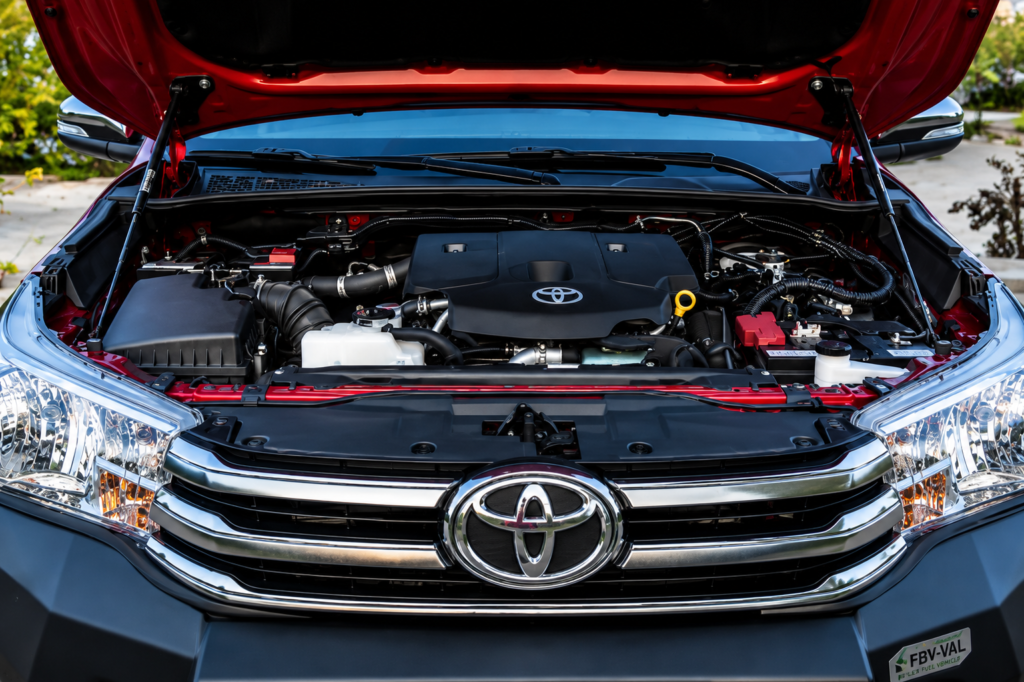
Choosing the Right Replacement Compressor
When replacement becomes necessary, selecting the correct compressor is essential.
Confirm Vehicle Compatibility
Always ensure the replacement unit matches your Toyota model, engine type and production year.
Select Quality Components
High-quality compressors generally provide better durability, smoother operation and longer service life.
Check Refrigerant Compatibility
Different vehicles use different refrigerants. Choosing the correct specification helps maintain system efficiency.
The Toyota aircon compressor should always meet the manufacturer’s specifications to ensure proper performance and reliability.
Look for Reliable Manufacturing Standards
Quality manufacturing helps ensure consistent performance under Australia’s varying driving conditions.
Consider Warranty Support
A good warranty offers additional confidence and protection against manufacturing defects.
Why Professional Installation Matters
Installing an air conditioning compressor involves more than simply replacing the component. Professional installation typically includes:
- Recovering refrigerant safely
- Flushing the air conditioning system
- Replacing seals and O-rings
- Inspecting connected components
- Adding the correct compressor oil
- Vacuum testing the system
- Recharging refrigerant
- Performing final performance testing
Following the correct installation process helps maximise compressor lifespan.
Looking After Your Air Conditioning System
Simple maintenance habits can help keep your air conditioning operating efficiently throughout the year. Helpful practices include:
- Operate the air conditioner regularly, even during winter.
- Keep the condenser free from dirt and road debris.
- Repair refrigerant leaks promptly.
- Replace worn belts before they fail.
- Schedule routine inspections.
- Address unusual noises immediately.
These simple steps reduce unnecessary wear and help maintain consistent cooling performance.
Understanding the Complete Air Conditioning System
Although the compressor receives the most attention, every component contributes to effective cooling.
The complete system includes:
- Compressor
- Condenser
- Evaporator
- Expansion valve
- Receiver-drier
- Pressure switches
- Refrigerant pipes
- Cooling fans
When one component develops a fault, the performance of the entire system may be affected.
Repair or Replace?
In some situations, repairing a compressor may be possible. However, replacement is usually the better option when:
- Internal components have seized.
- Metal contamination has spread throughout the system.
- The compressor housing is damaged.
- Cooling performance continues to decline after repairs.
- The unit has reached the end of its service life.
Replacing the compressor can restore reliable cooling while helping prevent repeated breakdowns.
Tips for Extending Compressor Life
Vehicle owners can significantly increase compressor lifespan by following a few simple practices.
- Service the air conditioning system according to the manufacturer’s schedule.
- Use the air conditioner regularly throughout the year.
- Avoid ignoring reduced cooling performance.
- Replace damaged hoses and seals promptly.
- Have refrigerant levels checked during routine servicing.
- Use quality replacement parts whenever repairs are required.
Consistent maintenance protects both the compressor and the rest of the climate control system.
Conclusion
A dependable air conditioning system makes every journey more comfortable, particularly during Australia’s hottest months. Investing in a quality Toyota AC compressor ensures efficient cooling, protects surrounding components and helps maintain long-term system reliability. Regular inspections, preventative maintenance and prompt repairs all contribute to better performance and lower repair costs over time. If you notice reduced cooling, unusual noises or inconsistent operation, having the system inspected early can prevent more extensive damage and keep your Toyota performing at its best.
