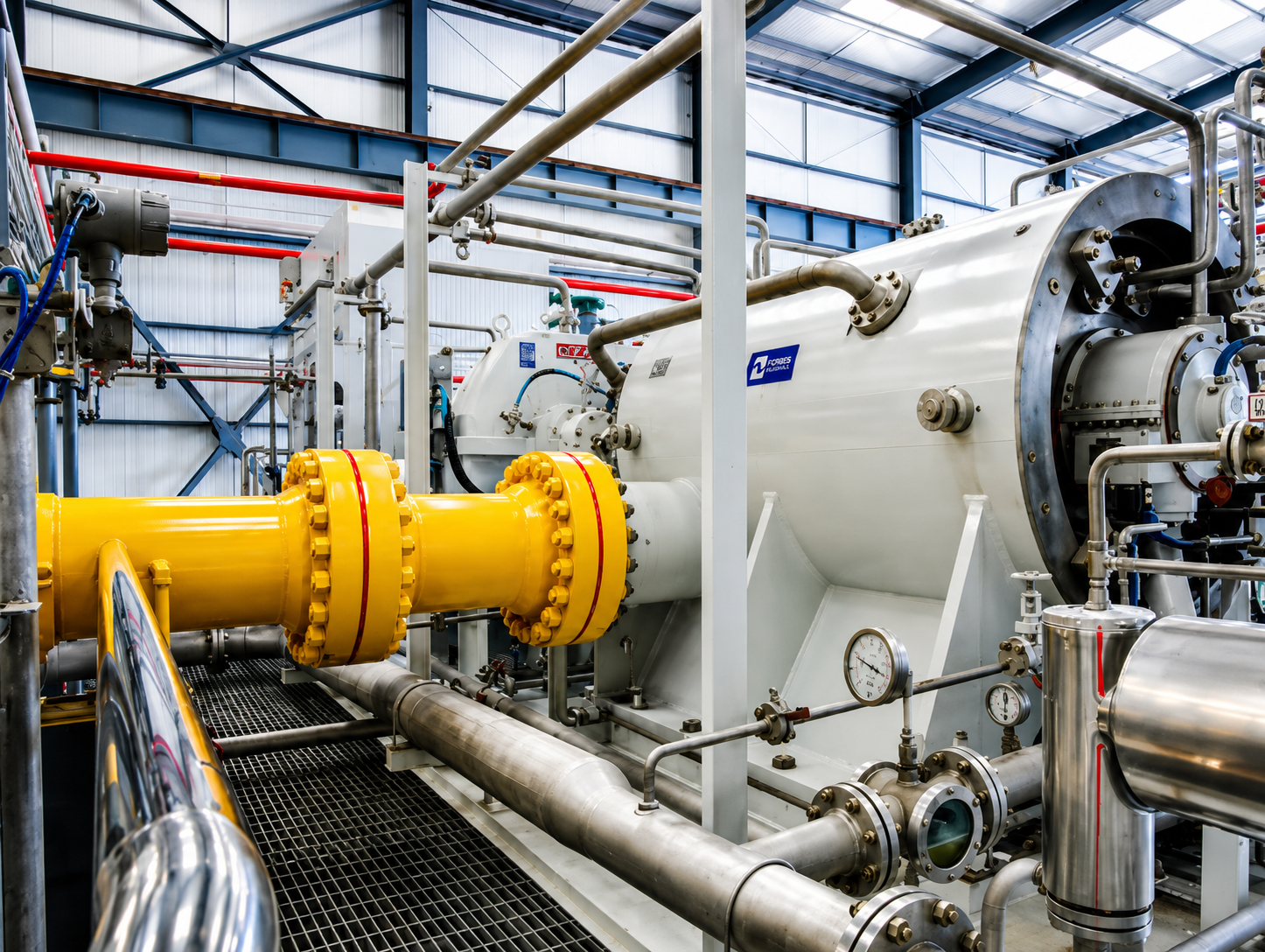
Steam turbines are among the most important machines used in power generation and industrial facilities. Their efficiency depends on the performance of several precision-engineered components working together under high temperatures and pressures. One of the most essential parts is the steam turbine diaphragms, which guide steam flow and maximize energy conversion while supporting stable turbine operation.
Understanding how these components work, why they require regular inspection, and how proper maintenance extends equipment life can help plant operators reduce downtime and improve long-term reliability.
Understanding the Role of Steam Turbine Diaphragms
Diaphragms are stationary assemblies positioned between rotating turbine stages. They contain carefully designed nozzles that direct steam toward the rotating blades at the correct angle and velocity. This controlled steam flow allows the turbine to efficiently convert thermal energy into mechanical power.
Each diaphragm must maintain precise clearances and structural integrity to ensure consistent turbine efficiency. Even minor damage or wear can reduce performance, increase operating costs, and place additional stress on other turbine components.
Because these parts operate in extreme environments, they are manufactured with high-quality materials and strict engineering tolerances.
See also: How to Choose the Right Toyota AC Compressor for Reliable Cooling Performance
The Function of Steam Flow Control
One of the primary responsibilities of diaphragms is regulating steam expansion through multiple turbine stages. By controlling pressure and velocity, diaphragms help ensure smooth energy transfer to the rotor.
Proper steam distribution provides several operational benefits, including:
- Improved energy efficiency
- Reduced turbulence inside the turbine
- Better blade protection
- Lower mechanical stress
- Consistent operating performance
Understanding the function of diaphragm in steam turbine systems helps maintenance teams appreciate why even small alignment issues can affect overall turbine output.
Common Causes of Diaphragm Damage
Steam turbine diaphragms are exposed to demanding operating conditions throughout their service life. Continuous exposure to heat, pressure, vibration, and steam impurities can gradually degrade their performance.
Some of the most common causes of damage include:
Erosion
High-velocity steam carrying moisture or contaminants slowly wears nozzle surfaces, changing steam flow characteristics.
Corrosion
Chemical impurities in steam may attack metal surfaces, weakening structural integrity over time.
Thermal Stress
Repeated startup and shutdown cycles create expansion and contraction that may lead to cracks or distortion.
Foreign Object Damage
Loose debris entering the turbine can chip nozzle edges or deform diaphragm sections.
Mechanical Fatigue
Years of continuous operation eventually cause material fatigue that requires inspection and repair.
Recognizing these issues early prevents larger failures that could require extensive outages.
Why Regular Inspection Matters
Routine inspections are essential for identifying wear before it develops into major failures. Scheduled maintenance allows technicians to evaluate diaphragm condition while minimizing unexpected shutdowns.
Inspection activities often include:
- Visual examination
- Dimensional measurements
- Crack detection
- Alignment verification
- Surface condition assessment
Advanced inspection techniques provide accurate information about component health, allowing maintenance teams to make informed repair decisions.
Material Verification Improves Reliability
Power generation facilities rely on components manufactured from specialized alloys capable of withstanding demanding operating conditions.
A positive material identification test confirms that replacement or repaired parts contain the correct alloy composition specified by engineering requirements. This verification process helps prevent installation of incorrect materials that may fail prematurely under high temperatures.
Material verification also supports quality assurance during maintenance projects and ensures compliance with industry standards.
Repair Versus Replacement
Not every damaged diaphragm requires complete replacement. In many situations, precision restoration provides an economical solution while maintaining performance standards.
The decision depends on several factors:
- Extent of wear
- Structural integrity
- Crack location
- Operating history
- Remaining service life
- Repair feasibility
Experienced engineering teams evaluate each component carefully before recommending the most appropriate solution.
Repair often reduces outage duration while extending equipment life when performed according to manufacturer specifications.
Modern Restoration Techniques
Advancements in repair technology have significantly improved the ability to restore turbine components to near-original condition.
Typical restoration processes may include:
Weld Restoration
Damaged areas are rebuilt using approved welding procedures compatible with the original material.
Precision Machining
Critical dimensions are restored using high-accuracy machining equipment.
Nozzle Reprofiling
Steam passages are reshaped to recover proper flow characteristics.
Heat Treatment
Controlled heating processes relieve residual stress and improve material properties.
Final Inspection
Comprehensive testing verifies dimensional accuracy and structural integrity before the diaphragm returns to service.
These procedures help maximize equipment value while maintaining operational safety.
The Importance of Professional Repair Solutions
Steam turbines require specialized knowledge, precision equipment, and experienced technicians. Partnering with experts offering component repair services ensures every repair follows industry standards and engineering requirements.
Professional repair facilities typically provide:
- Detailed inspections
- Engineering evaluations
- Precision machining
- Certified welding
- Non-destructive testing
- Dimensional verification
- Final quality documentation
These capabilities help power plants maintain high operational reliability throughout the turbine lifecycle.
Supporting Overall Turbine Efficiency
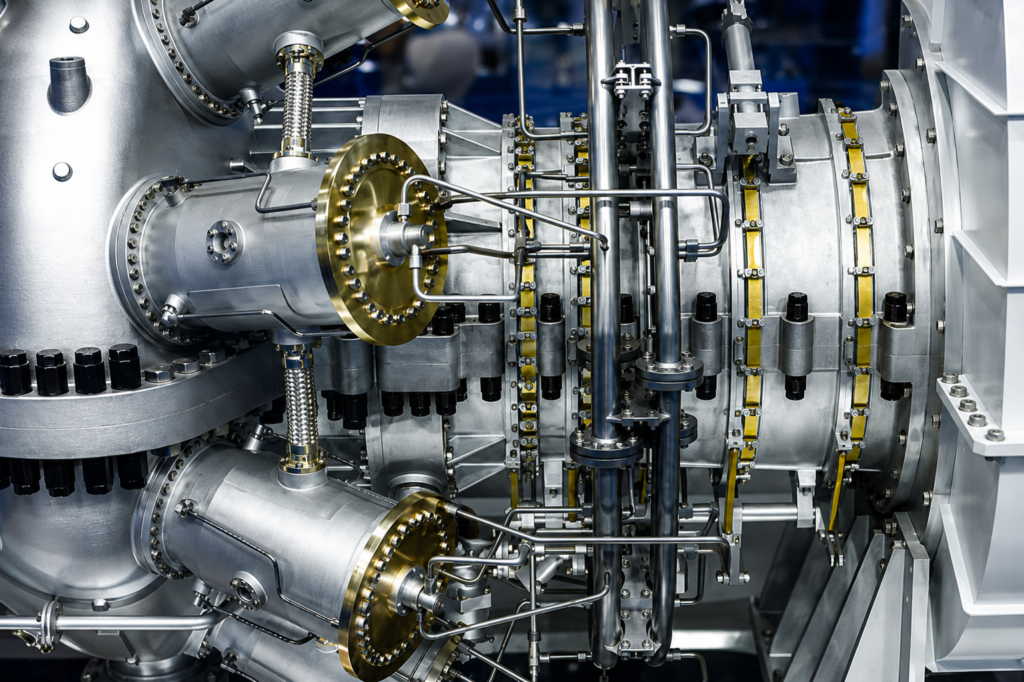
Diaphragms work alongside blades, rotors, casings, and seals to maintain efficient turbine performance. If one component operates outside acceptable tolerances, the entire system may lose efficiency.
Proper maintenance contributes to:
- Lower heat rates
- Improved steam utilization
- Reduced maintenance costs
- Better equipment reliability
- Extended service intervals
- Increased plant availability
Regular inspections combined with timely repairs allow operators to achieve consistent long-term performance.
Integrating Diaphragm Maintenance with Turbine Overhauls
Major turbine overhauls provide an ideal opportunity to inspect diaphragm assemblies thoroughly.
Maintenance teams typically evaluate:
- Nozzle condition
- Joint surfaces
- Seal locations
- Fastening systems
- Alignment
- Material condition
- Dimensional tolerances
Combining these inspections with other overhaul activities minimizes future maintenance requirements and improves operational confidence.
When diaphragm issues are corrected during planned outages, facilities avoid unexpected failures during normal production periods.
Restoring Long-Term Performance
As turbines age, performance gradually declines due to normal component wear. Rather than replacing complete assemblies, many operators choose turbine component repair to restore efficiency while managing maintenance budgets effectively.
Properly executed repairs help recover steam flow characteristics, improve reliability, and support continued operation for many additional service years.
Combining engineering expertise with advanced restoration techniques allows aging turbines to continue meeting demanding operational requirements without compromising safety or efficiency.
Conclusion
Steam turbines depend on every precision component functioning exactly as designed, and diaphragms play a central role in directing steam and maximizing energy conversion. Routine inspections, material verification, precision repairs, and preventive maintenance all contribute to longer equipment life and improved plant reliability.
By investing in expert maintenance practices and addressing wear before it becomes critical, operators can improve efficiency, reduce unexpected downtime, and ensure their turbine systems continue delivering dependable performance for years to come.
